
16 Tree Painting Ideas to Master Natural Landscapes
When it comes to capturing the beauty of natural landscapes, trees offer endless possibilities for your artistic expression. You’ll find that experimenting with different styles—like realistic oak trees or whimsical cartoon trees—can greatly enhance your skills. Each technique brings its own unique flavor to your work. So, which tree painting idea will inspire you to create something truly remarkable? Let’s explore some intriguing concepts that might just spark your imagination.
The Essentials
- Experiment with watercolor techniques to create soft, misty landscapes, blending tranquil greens and blues for a serene atmosphere.
- Utilize layered acrylic techniques, starting with dark underpainting and building lighter shades to add texture and depth to tree depictions.
- Capture the vibrancy of cherry blossom trees using soft brush strokes and pastel colors against deep greens for a magical spring scene.
- Explore realistic representations by sketching sturdy oak trees with warm autumn palettes, incorporating shadows for depth and dimension.
- Embrace seasonal inspirations by depicting snow-laden pines in winter and whimsical tree houses in enchanted forests for captivating landscapes.
Watercolor Pine Trees in Misty Landscapes

There’s something magical about watercolor pine trees set against misty landscapes. You can almost feel the tranquility as you blend soft greens and blues, creating a serene atmosphere. Start with a wet brush to lay down a soft wash for the mist, allowing colors to flow gently into one another. Then, use a finer brush for the pine trees, capturing their delicate details while letting some edges soften into the background. Don’t worry about perfection; the beauty lies in the spontaneity. Experiment with layering for depth, and soon you’ll have an enchanting scene that invites the viewer into nature’s embrace. Incorporating watercolor paint sets can enhance your experience, providing you with the variety of colors needed for stunning landscapes.
Abstract Birch Trees With Bold Colors

While creating abstract birch trees, you can release your creativity with bold colors that make a striking statement. Choose vibrant shades like electric blues, fiery oranges, or deep purples to bring your artwork to life. Don’t be afraid to experiment with brush strokes; thick, textured lines can represent the tree trunks, while splashes of color can depict the surrounding foliage. You might even consider contrasting colors to highlight the birch trees against a more subdued background. Let your imagination guide you, and remember, there are no rules in abstract art—only your unique expression of nature’s beauty. Using high-quality gouache paint sets can enhance the vibrancy and texture of your artwork.
Realistic Oak Trees in Autumn Hues

As you capture the essence of realistic oak trees in autumn hues, you’ll find that the warm palette of reds, oranges, and yellows can evoke a sense of nostalgia and tranquility. Start by sketching the sturdy trunk and sprawling branches, ensuring to reflect their texture with a mix of browns and deep ochres. Layer your colors with careful blending, allowing the vibrant leaves to pop against the earthy bark. Incorporate shadows to add depth and dimension, highlighting the interplay of light filtering through the foliage. Remember, it’s all about portraying the beauty of nature’s change during this enchanting season. Choosing the right canvas for your painting can significantly enhance the overall quality of your artwork.
Silhouette Trees Against a Sunset Sky

After appreciating the rich colors of oak trees in autumn, you might want to explore the striking contrast of silhouette trees against a sunset sky. This technique emphasizes dark tree shapes against vibrant hues, creating a dramatic effect. Start by sketching the tree outlines with jagged, varied edges to capture their natural forms. Use deep blues, fiery oranges, and soft purples for the sunset, blending them seamlessly. When painting, focus on the shadows cast by the trees, allowing your brushstrokes to emphasize their starkness. The result will be an enchanting scene that highlights nature’s beauty at dusk, inviting viewers into your artwork. Additionally, using essential paint brush sets can greatly enhance your ability to achieve fine details and smooth blends in your painting.
Impressionist Willow Trees by a River

When you think of tranquil landscapes, impressionist willow trees by a river often come to mind, evoking a sense of peace and harmony. To capture this beauty, focus on soft, flowing lines that mimic the willows’ graceful branches. Use a palette of greens, yellows, and blues to reflect the shimmering water. Don’t be afraid to experiment with texture; a palette knife can create dynamic strokes that resemble the leaves. Remember, it’s about feeling rather than perfection. Allow your brush to dance across the canvas, letting the scene come alive. Enjoy the process, and let nature inspire your creativity. Additionally, consider using high-quality acrylic paint sets to achieve vibrant colors and smooth application.
Seasonal Changes: From Winter Pines to Spring Blossoms

The beauty of nature doesn’t stop at the banks of a river; it evolves with the seasons, offering fresh inspiration for artists. In winter, capture the striking elegance of snow-laden pines, their branches heavy with frost. As spring arrives, shift your focus to budding blossoms, infusing your work with vibrant colors and life. Picture cherry trees bursting with pink and white flowers or the soft greens of new leaves. Each season presents unique textures and hues, challenging you to adapt your techniques. Embrace these changes to bring your tree paintings to life, evoking emotions tied to nature’s ever-changing canvas. To enhance your artwork, consider using high-quality fabric paints that ensure your colors remain vibrant and true to nature’s palette.
Fantasy Tree Houses in Enchanted Forests

As you wander through enchanted forests, you might stumble upon whimsical tree houses that seem to grow from the very branches themselves. These magical abodes, crafted from twisting wood and adorned with vibrant foliage, invite your imagination to soar. Picture vibrant colors blending seamlessly with the natural surroundings, each house offering a unique charm—some with spiraling staircases, others nestled among blossoms. You could explore their enchanting details, from lanterns glowing softly at dusk to tiny balconies perfect for stargazing. These fantastical creations not only inspire your artistic endeavors but also ignite a sense of wonder that lingers long after you leave the forest. To capture these visions, consider using a mixed media sketchbook, which allows for diverse techniques and materials to bring your imagination to life.
Close-Up Studies of Tree Bark Textures

Tree bark offers a fascinating canvas for artistic exploration, showcasing an array of textures that tell stories of growth and resilience. When you study bark closely, you’ll notice the intricate patterns, from smooth surfaces to rugged fissures. These variations can inspire your painting techniques, whether you choose to use bold brush strokes or delicate detailing. Pay attention to colors too; the subtle shifts from deep browns to grays can add depth to your work. Don’t hesitate to experiment with layering to capture the essence of each unique tree. Close-up studies can enhance your understanding of nature’s beauty and complexity. Additionally, using the right paint brush sets can significantly improve your ability to replicate these textures effectively.
Tropical Palm Trees on a Beach Scene

Five vibrant palm trees sway gently against a backdrop of golden sands and turquoise waves, creating an idyllic beach scene perfect for painting. As you capture their tall trunks, pay attention to the varying shades of green in the fronds, allowing sunlight to dance through the leaves. Use soft brush strokes for the gentle waves lapping at the shore, contrasting with the sturdy palms. Don’t forget the sandy textures; a mix of warm yellows and light browns will add depth. Consider incorporating a sunset for added drama, casting warm hues across the scene and highlighting the palms’ silhouettes beautifully. For best results, choose high-quality gouache paint sets that provide vibrant colors and excellent coverage.
Magical Cherry Blossom Trees in Full Bloom

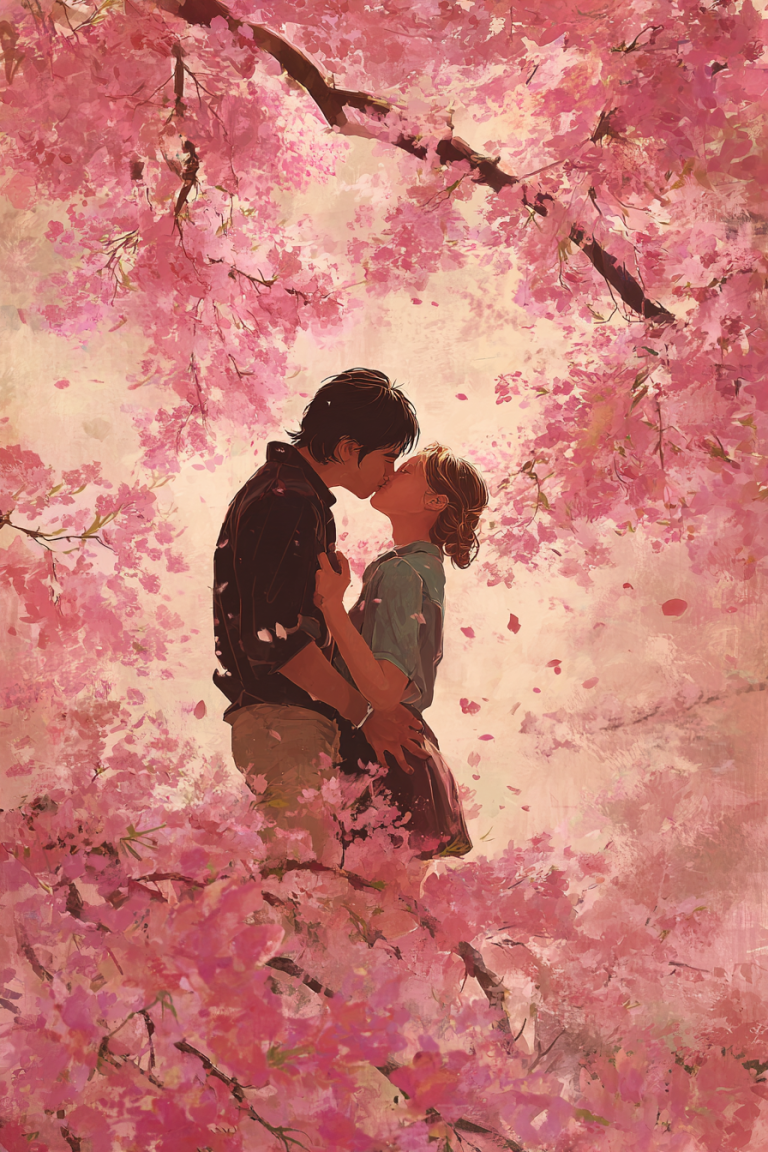
While you stroll through a serene park, you can’t help but be enchanted by the sight of cherry blossom trees in full bloom. Their delicate pink petals dance in the breeze, creating a magical atmosphere. To capture this beauty on canvas, focus on soft brush strokes that mimic the gentle flow of petals. Use a palette of pastel pinks and whites, contrasting with the deep greens of the surrounding foliage. Consider adding a blue sky for depth, reflecting the calmness of spring. Don’t forget to include the tree’s graceful branches, showcasing the elegance of these stunning blossoms in your painting. Additionally, using acrylic paint pens can enhance the vibrancy of the colors and add intricate details to your artwork.
Monochrome Ink Drawings of Leafless Trees

After admiring the vibrant beauty of cherry blossoms, it’s enchanting to explore the stark elegance of leafless trees in monochrome ink drawings. These drawings capture the intricate details of bare branches, inviting you to appreciate their unique forms. Use fine liners or brush pens to create dramatic contrasts between the dark ink and white paper. Experiment with varying line weights to convey depth and texture. Shadows can enhance the mood, adding a haunting quality to your artwork. Embrace the simplicity of these trees; their minimalist beauty can evoke powerful emotions, allowing your creativity to flourish in this striking medium.
Layered Acrylic Techniques for Dense Forests

To create the lush, immersive feel of dense forests, layered acrylic techniques can be your best ally. Start with a dark underpainting, using deep greens and browns to establish depth. Once dry, build layers with lighter shades, applying them with a dry brush for texture. Use a sponge or your fingers to dab on highlights, mimicking light filtering through leaves. Don’t forget to add varying sizes of tree trunks and branches to enhance realism. Finally, incorporate small details like foliage or shadows to unify your composition. This approach brings your forest to life, capturing both its vibrancy and complexity.
Whimsical Cartoon Trees With Unique Personalities

Imagine a forest bursting with charm, where each tree has its own quirky personality. Picture a tree with a wide grin, its branches outstretched like welcoming arms, or one with twisted limbs that resemble a playful dancer. You could paint a tree wearing a colorful scarf, swaying in the wind, or one that sports funky, oversized glasses. Add vibrant colors and exaggerated shapes to bring these characters to life. Don’t forget to give each tree a unique backstory; maybe one loves to tell jokes while another dreams of traveling the world. Let your imagination run wild and create your own whimsical forest!
Shadow Play: Trees at Dusk

As the sun dips below the horizon, the trees transform into silhouettes, casting enchanting shadows that dance across the ground. You can capture this serene moment by focusing on the interplay of light and dark. Use deep blues and purples to depict the sky, contrasting with the stark black or dark brown of the trees. Experiment with different angles and shapes to create dynamic compositions. Consider adding soft highlights where the last rays of sunlight touch the leaves. This technique will evoke a sense of mystery and tranquility, inviting viewers to lose themselves in the beauty of dusk.
Vivid Tropical Rainforest Canopy

After the calm of dusk, the vibrant energy of a tropical rainforest canopy bursts to life, showcasing an explosion of colors and textures. You’ll notice brilliant greens, deep blues, and splashes of fiery oranges and yellows as sunlight filters through the leaves. Focus on the intricate patterns of light and shadow, capturing the dynamic interplay between foliage and the sky. Don’t forget the unique shapes of exotic flowers and fruits that draw the eye. Experiment with bold brush strokes to convey movement and energy, allowing your canvas to reflect the rich biodiversity and lively spirit of this enchanting ecosystem.
Geometric Trees for Modern Art Style

While exploring the domain of modern art, geometric trees offer a unique way to blend nature with abstraction. You can experiment with shapes like triangles, squares, and circles to create stylized representations of trees. Start by simplifying the tree’s structure, focusing on bold lines and vibrant colors. Using contrasting shades can add depth and interest. Consider layering shapes to form a dynamic composition. Don’t hesitate to play with scale, making some elements larger than life. This approach not only captures the essence of trees but also challenges traditional perspectives, turning your artwork into a fascinating conversation piece. Enjoy the process!
Frequently Asked Questions
What Materials Are Best for Painting Trees in Different Styles?
You’ll want high-quality acrylics for vibrant colors, watercolors for soft effects, and oil paints for rich textures. Brushes of various sizes, palette knives, and canvas or watercolor paper will help you achieve your desired style.
How Can I Choose a Color Palette for Tree Paintings?
To choose a color palette for tree paintings, consider the season and mood you want to convey. Use a mix of greens, browns, and complementary colors to create depth and harmony in your artwork.
What Are Common Mistakes to Avoid When Painting Trees?
You should avoid overloading details, using unrealistic colors, and neglecting light sources. Don’t forget to vary your brush strokes and textures, as uniformity can make your trees look flat. Practice makes perfect, so keep experimenting!
How Can I Improve My Tree Painting Skills?
To improve your tree painting skills, practice observing real trees, study their forms and textures, experiment with different techniques, and don’t hesitate to seek feedback. Consistent practice and exploration will help you grow as an artist.
Where Can I Find Inspiration for Painting Trees?
You can find inspiration for painting trees by exploring nature, visiting art galleries, browsing online platforms like Pinterest, or studying the works of famous artists. Don’t forget to capture your own surroundings for unique ideas!