
21 Mouth Drawing Ideas for Realistic Facial Expressions
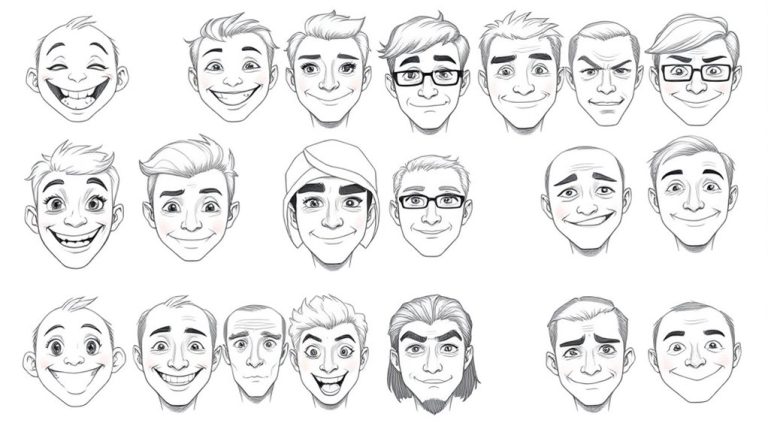
When it comes to capturing emotions, the mouth plays an essential role in conveying feelings. You might find that experimenting with various mouth expressions can enhance your character designs considerably. From cheerful smiles to contemplative pursed lips, each expression tells a different story. Curious about which specific mouth expressions can add depth to your art? Let’s explore some compelling ideas that could transform your approach to realistic facial expressions.
The Essentials
- Explore positive expressions like bright smiles and open laughter to convey warmth and joy in your drawings.
- Experiment with thoughtful and quirky expressions, such as pursed lips and half-smiles, to showcase character complexity.
- Capture negative emotions through frowning and scowling mouths to express sadness or frustration effectively.
- Use neutral expressions, like lips slightly apart or relaxed lips, to convey calmness and approachability in your artwork.
- Incorporate playful elements, such as a mouth with a tongue out, to add humor and lightness to facial expressions.
Smiling Mouth With Teeth

A bright, cheerful smile can instantly uplift a drawing and convey warmth. To capture this expression, focus on the curve of the lips and the alignment of the teeth. Start by sketching the upper lip, ensuring it arches slightly upward. Then, add the lower lip, which should complement the upper’s shape. When depicting teeth, consider their placement and size; a few visible front teeth can add liveliness. Experiment with shading to create depth, making the smile appear more realistic. Don’t forget to enhance the eyes, as they often reflect joy, completing the vibrant expression you’re aiming for. Additionally, selecting the right drawing pad texture can significantly impact how your pencil or paint interacts with the surface, influencing the final result of your artwork.
Pursed Lips in Thought

When you capture the look of someone with pursed lips in thought, it adds a layer of contemplation to your drawing. Notice how the lips flatten and draw together, creating a subtle tension. Focus on the corners; they might slightly turn down or stay neutral. Pay attention to the surrounding facial features; furrowed brows and narrowed eyes often accompany this expression. You’ll want to convey the intensity of the moment, so consider shading and highlights to enhance the lips’ shape. This detail can evoke curiosity and invite viewers to ponder the subject’s thoughts, enriching the overall emotional impact of your artwork. Additionally, using essential drawing pencils can greatly improve the accuracy and detail of your depiction.
Open Mouth Laughing

Laughter bursts forth like a joyful explosion, and capturing an open mouth in this moment can bring your drawing to life. Focus on the wide arc of the lips, emphasizing the upper and lower curves. Notice how the teeth gleam, adding vibrancy. The cheeks lift, creating a rounded shape that’s essential for realism. Don’t forget the eyes; they often squint and twinkle with joy. Pay attention to the slight lines that form around the mouth, which enhance the expression. Experiment with shading to add depth, making your laughing figure feel dynamic and full of energy. Let the joy shine through your artwork! Additionally, using the right drawing pencil products can significantly improve the quality of your sketches.
Frowning Mouth

Frowning mouths convey a range of emotions, from disappointment to deep sadness. When you draw a frown, focus on the downward curve of the lips; this shape instantly signals discontent. Pay attention to the corners of the mouth—drooping them creates a more pronounced expression. Adding subtle creases around the lips can enhance the emotional depth. Remember, a frown isn’t just about the mouth; it often involves the surrounding facial features. Slightly furrowing the brow and narrowing the eyes can intensify the frown and make it more relatable. Capture these details, and you’ll portray genuine emotions effectively. Using the best drawing pads can significantly improve your drawing experience and allow for better expression of these emotions.
Lips Slightly Apart

Sometimes, a mouth drawn with lips slightly apart can express a sense of surprise, curiosity, or even anticipation. To achieve this effect, focus on the subtle curves of the lips, ensuring they don’t appear too tense. A gentle upward rise at the corners can enhance the expression, giving a hint of excitement. Pay attention to the space between the lips; it should be just enough to convey openness without being exaggerated. Adding slight shading around the mouth can emphasize the depth and realism. Remember, this simple adjustment can transform your drawing, making it more dynamic and engaging.
Gritted Teeth in Anger

When capturing intense emotions, a mouth with gritted teeth can effectively convey anger and frustration. You’ll want to emphasize the tension in the jaw, as clenched teeth indicate a struggle to control that fury. Draw the upper and lower teeth tightly pressed together, perhaps with a slight upward curve of the lips to show the effort involved. Pay attention to the subtle muscles around the mouth; they can reveal the depth of emotion. Highlighting this expression can dramatically enhance your character’s demeanor, making their anger palpable and relatable to the viewer. Remember, it’s all about that raw intensity!
Pouting Lips

Pouting lips often signal displeasure or a desire for attention, making this expression both relatable and expressive. When drawing pouting lips, focus on the fullness of the lower lip, which tends to protrude slightly more than the upper. You can enhance the emotion by slightly turning down the corners of the mouth. Remember to capture the subtle curves and lines around the lips, creating an impression of tension. Adding a slight gloss can also make the lips appear more inviting. Keep in mind the overall facial context to guarantee your pouting lips convey the intended emotion effectively.
Mouth in Surprise

Expressing surprise through the mouth is all about capturing that moment of shock or disbelief. To depict this expression, your lips should part slightly, as if they’re about to form a word or gasp. The corners of your mouth may lift a little, but don’t overdo it—keep it natural. The teeth can be subtly visible, enhancing the astonishment. You might also want to raise the upper lip slightly, giving an impression of wonder. Remember, the key is to maintain a balance between openness and subtlety, so the viewer feels that genuine surprise radiating from your drawing.
Whispering Lips

A subtle hint of intimacy can be captured through whispering lips, where the mouth conveys a sense of secrecy and closeness. To draw this expression, focus on the gentle curve of the lips, slightly parted as if sharing a secret. Capture the softness, emphasizing the delicate lines around the mouth. Shadows can enhance the sense of intimacy, so consider adding subtle shading. The positioning of the lips should reflect a relaxed posture, suggesting comfort. Remember, the eyes play a significant role too; they should mirror the expression, drawing viewers into that private moment of whispered connection.
Chewing Mouth

While you might not think about it, the way a mouth looks when chewing can convey a lot of emotion and movement. When drawing a chewing mouth, focus on the slight opening and closing of the lips, emphasizing their movement. You’ll notice the cheeks might puff out slightly, showing tension as food is chewed. Pay attention to the subtle shifts in the corners of the mouth and how the jaw moves. Capturing these details can create a more dynamic and realistic portrayal. Don’t forget to add the texture of the lips, which can change depending on the food being chewed.
Sneering Lips

Sneering lips can convey disdain or contempt, making them a powerful element in your drawings. To capture this expression, focus on the upper lip curling up slightly while the lower lip remains more neutral. Pay attention to the corners of the mouth; they often pull back, exposing teeth or creating a tight-lipped look. The surrounding facial muscles will also tense, emphasizing the sneer’s intensity. Use shadows to highlight the contours of the lips and the furrowed brow that usually accompanies this expression. Practice different angles to achieve a more dynamic and realistic portrayal of sneering lips in your artwork.
Quirky Half-Smile

Capturing a quirky half-smile adds a playful twist to your character’s expression. To achieve this, tilt one corner of the mouth upward while keeping the other side neutral or slightly downturned. You might want to emphasize the asymmetry; it gives off a sense of mischief or intrigue. Experiment with the angle of the lips and the position of the cheeks. Adding a slight raise in the eyebrow can enhance the effect, suggesting a secret or a joke. Pay attention to the overall facial structure—balance is key, as this unique smile draws viewers in and sparks their curiosity.
Wide Grin

A wide grin can instantly convey joy and excitement, making it one of the most engaging facial expressions to draw. To capture this expression, start by emphasizing the corners of the mouth, curving them upwards. Make sure to show the teeth—this adds to the vibrancy of the grin. Pay attention to the lips; they should appear fuller and slightly parted. Don’t forget about the eyes; they often squint or sparkle, enhancing the overall feeling of happiness. Practice different angles to see how a wide grin changes with the head’s position. It’s fun and rewarding to bring this joyful expression to life!
Scowling Mouth

A scowling mouth conveys displeasure or frustration, making it a striking expression to draw. To capture this emotion, focus on the downturned corners of the lips and the tension in the jaw. You might want to emphasize the creases forming around the mouth, as they enhance the intensity of the scowl. Consider adding slight wrinkles on the upper lip, which can suggest a growl or grimace. Pay attention to the relationship between the mouth and other facial features, like furrowed brows, to create a cohesive expression. With practice, you’ll master this powerful portrayal of emotion.
Relaxed Lips

Relaxed lips can convey a sense of calm and contentment, making them an approachable expression to draw. When sketching relaxed lips, focus on soft curves and gentle lines. Avoid sharp angles or tightness; instead, let the corners of the mouth slightly uplift or rest naturally. Pay attention to the subtleties in shading, as light and shadow can enhance the smoothness of the lips. Remember, a relaxed expression often involves the entire face, so consider how the cheeks and surrounding features contribute to the overall look. Practice capturing this serenity, and you’ll create a warm, inviting expression that resonates with viewers.
Mouth With a Tongue Out

Tongue-out expressions can add a playful and lighthearted vibe to your drawings. When you depict this expression, focus on the mouth’s shape; the lips may be slightly parted, revealing the tongue. You can show excitement or cheekiness by tilting the tongue or giving it a slight curl. Pay attention to the angle of the head and the eyes—this can enhance the overall mood. Consider adding details like a smirk or raised eyebrows to amplify the playful feel. Experiment with different tongue positions, and don’t be afraid to exaggerate for comedic effect. It’s all about capturing that fun energy!
Lip Bite in Anticipation

When you capture the expression of someone biting their lip in anticipation, focus on the subtlety of the lips and the emotions they convey. Pay attention to how their upper and lower lips press together, creating a slight crease. Notice the tension in the corners of the mouth; they may pull back slightly. The color of the lips can also indicate emotion—darker shades suggest intensity, while lighter hues might reflect innocence. Don’t forget to reflect on the surrounding facial features, like raised eyebrows or wide eyes, as they enhance the feeling of enthusiasm and excitement tied to the lip bite.
Shivering Lips in Cold

Capturing the shivering lips of someone in the cold reveals a different kind of emotion—one that speaks to discomfort and vulnerability. When drawing, focus on the slight quiver and the way the lips lose their usual fullness, appearing thin and taut. You might want to emphasize the color change; a pale or bluish tint can enhance the chilly effect. Don’t forget the subtle lines that form around the mouth, indicating tension. By portraying these details, you’ll convey a strong sense of the cold’s biting nature and its impact on the person’s emotional state, making your drawing more relatable and lifelike.
Sad Mouth With Downturned Corners

While you might think of a smile as the most expressive feature of the face, a sad mouth with downturned corners can convey profound feelings of sorrow and despair. To draw this expression, start by curving the lips downward. Emphasize the corners, making them droop slightly more than usual. You can add subtle lines around the mouth to suggest tension or a quivering lip. Don’t forget to contemplate the overall facial context; furrowed brows and teary eyes enhance the sadness. Practicing this expression will help you capture the depth of emotion, making your character’s feelings resonate with viewers.
Smirking Mouth

A smirking mouth often suggests mischief or confidence, making it a compelling expression to draw. To capture this look, start with the corners of the lips slightly raised, creating a subtle curve. Pay attention to the upper lip, which may also dip slightly, adding to the smirk’s playful nature. Don’t forget the cheeks; they should lift just a bit, enhancing the overall effect. You can emphasize the expression further by slightly squinting the eyes or raising one eyebrow. Experiment with different angles and intensities of the smirk to convey varying degrees of attitude. Practice will help you master this intriguing expression!
Mouth With a Sigh

When you want to convey a sense of relief or resignation, drawing a mouth with a sigh can be very effective. Start by slightly opening the lips, letting them relax. The corners might droop, hinting at a weight lifted or acceptance of a situation. You can also incorporate subtle lines around the mouth to emphasize the sigh’s emotional depth. Experiment with the shape; a rounded mouth can express warmth, while a more angular shape might suggest frustration. Remember to keep the overall expression soft, as the sigh should evoke empathy and understanding in the viewer.
Frequently Asked Questions
What Materials Are Best for Mouth Drawing Practice?
For mouth drawing practice, use high-quality sketch paper, graphite pencils for shading, and colored pencils for adding depth. Charcoal can also be great for dramatic effects. Don’t forget an eraser for corrections and blending!
How Can I Improve My Drawing Speed for Facial Expressions?
To improve your drawing speed for facial expressions, practice daily with timed sketches. Focus on capturing the essence quickly, using simple shapes initially. Gradually add details as you gain confidence and familiarity with the expressions.
Are There Specific Exercises for Drawing Realistic Lips?
Yes, you can practice drawing realistic lips by studying photos, sketching from different angles, and focusing on the shapes and contours. Try observing how light and shadow play on them to enhance your understanding.
What Common Mistakes Should I Avoid When Drawing Mouths?
Avoid overly simplistic shapes, neglecting shading, and ignoring lip curvature. Don’t forget to contemplate the surrounding features and expression context. Remember, lips aren’t just lines; they convey emotion, so capture their subtleties for realism.
How Can I Study Real-Life Expressions Effectively for Drawing?
To study real-life expressions effectively, observe people in various situations, take photos or sketch them quickly. Focus on capturing subtle changes in the mouth and surrounding features to enhance your drawing skills.