
16 Face Drawing Ideas That Bring Characters to Life
When you think about character design, the face is often the first place to start. It’s where emotions and personality shine through. By focusing on expressive eyes, unique hairstyles, and intricate facial expressions, you can create a connection with your audience. But that’s just the beginning. There’s so much more to explore. What if you could incorporate diverse skin tones and whimsical accessories? Let’s uncover the full potential of your character designs.
The Essentials
- Experiment with expressive eyes to convey a range of emotions, adjusting shapes, sizes, and highlights for impact.
- Incorporate unique hairstyles and accessories to deepen character personality and tell a visual story.
- Embrace diverse skin tones and cultural influences to create authentic and relatable character designs.
- Utilize dramatic lighting effects and shadows to enhance facial features and set the mood in your drawings.
- Explore minimalist and surrealistic styles to emphasize essential traits and add whimsy or dreamlike qualities to characters.
Expressive Eyes

When you want to draw a face that truly connects with viewers, expressive eyes are key. They convey emotions that words often can’t. Start by observing how eyes change with feelings; a slight squint can show suspicion, while wide-open eyes express surprise. Experiment with different shapes and sizes—rounder eyes can indicate innocence, whereas narrower ones can suggest intensity. Don’t forget the pupils; their size and placement can dramatically shift the mood. Adding highlights makes them look alive. Remember, the right eyelashes and eyebrows can enhance the expression, so pay attention to those details. Your characters will come alive through their eyes. Additionally, choosing the right drawing pad size can significantly impact your ability to capture these intricate details effectively.
Unique Hairstyles

Unique hairstyles can transform a character and add depth to their personality. Think about how a wild mane of curls can convey energy and playfulness, while a sleek bob might suggest sophistication or mystery. Experiment with colors, textures, and lengths to reflect different traits. A character with vibrant, spiky hair might be rebellious, whereas long, flowing locks can symbolize freedom or romance. Don’t forget about accessories like headbands or clips—they can enhance a hairstyle’s uniqueness. As you sketch, let your imagination run wild, crafting hairstyles that not only look good but also tell a story about who your character is. Additionally, choosing the right drawing pads for artists can help bring these unique hairstyles to life with precision and detail.
Intricate Facial Expressions

Hairstyles can set the stage for a character, but it’s the intricate facial expressions that truly bring them to life. When you draw, pay attention to the subtle shifts in eyebrows, mouth, and eyes. A slight furrow of the brow can convey confusion, while a raised eyebrow might suggest curiosity. Experiment with smiling, frowning, or even pouting to express a range of emotions. Don’t forget the eyes; they can reveal joy, sadness, or anger with just a glint or a squint. By mastering these nuances, your characters will resonate more deeply with viewers, making them unforgettable. Additionally, using essential drawing pencils can enhance your ability to capture these subtle details and expressions effectively.
Diverse Skin Tones

As you explore the world of face drawing, it is essential to embrace the beauty of diverse skin tones. Each tone carries its own unique characteristics and depth, allowing you to create vibrant, lifelike portraits. Experiment with various shades, from warm caramel to deep mahogany, and everything in between. Don’t shy away from incorporating undertones like olive, peach, or golden hues to add dimension. Using a blend of colors can reflect the richness of real skin. Remember, practice makes perfect, so keep refining your technique. Celebrating diversity in skin tones not only enhances your skills but also enriches your artistic expression. Additionally, using high-quality drawing pencil products can significantly improve your ability to capture these diverse tones effectively.
Whimsical Accessories

Adding whimsical accessories can elevate your face drawings to a new level of creativity. Think about oversized glasses, colorful hats, or quirky earrings that reflect your character’s personality. You could add a vibrant scarf or a playful headband adorned with flowers or stars. These elements not only enhance visual interest but also tell a story about who your character is. Don’t shy away from mixing patterns and colors; the more unexpected, the better! Remember, the goal is to spark imagination and bring a smile to viewers’ faces, so let your creativity flow as you experiment with different accessories.
Character Age Variations

When you draw faces of different ages, you’ll find that subtle changes can convey a wealth of character and emotion. For children, focus on rounder faces and larger eyes, capturing their innocence and curiosity. Teenagers often have sharper features, reflecting their emerging identity. Adults can show a range of expressions, from confidence to fatigue, with defined jawlines and varying skin textures. As you depict older characters, emphasize wrinkles and sagging skin to evoke wisdom or weariness. Each age offers unique traits; mastering these variations will breathe life into your characters, making them relatable and memorable.
Fantasy Creatures

Exploring faces isn’t limited to just humans; fantasy creatures offer a whole new domain of expression. When you draw dragons, trolls, or elves, think about their unique features. Dragons might have fierce, elongated snouts and piercing eyes, while trolls could sport rugged, asymmetrical faces. Elves often exude elegance with high cheekbones and pointed ears. Consider their emotions too—what would a mischievous fairy look like? Play with colors and textures to convey their magical nature. These creatures allow you to break traditional rules, so let your imagination run wild. Experiment with different styles and expressions to truly bring them to life.
Historical Figures

While delving into the faces of historical figures, you can capture a range of emotions and stories that shaped our world. Think of iconic leaders like Abraham Lincoln or Cleopatra; their expressions tell tales of triumph and struggle. You can explore their unique features—Lincoln’s thoughtful gaze or Cleopatra’s enigmatic smile. Consider the context behind their lives; what challenges did they face? Use reference images to guide your sketches, focusing on details like wrinkles or expressions that convey their experiences. By doing this, you’ll not only hone your skills but also connect with the essence of these remarkable individuals.
Emotional Portraits

Capturing the essence of emotions in portraits can breathe life into your artwork, making each piece resonate on a deeper level. Focus on the eyes; they’re often called the windows to the soul. Use subtle changes in expression, like raised eyebrows or a slight smile, to convey feelings. Experiment with color palettes—warm tones can evoke happiness, while cool shades often suggest sadness. Don’t forget about lighting; dramatic contrasts can enhance mood. Pay attention to the subject’s posture and surroundings, as these elements can amplify the emotional impact. With practice, you’ll create portraits that connect with viewers on a profound level.
Cartoonish Features

Cartoonish features can add a playful and whimsical touch to your drawings, making characters instantly recognizable and relatable. Think big, expressive eyes that convey emotion with just a glance. Exaggerate facial expressions—wide smiles or quirky frowns can bring your characters to life. Play with proportions, like tiny noses or oversized heads, to emphasize personality traits. Use bold lines and vibrant colors to enhance the playful vibe. Remember, it’s all about capturing the essence of your character while keeping it fun. So, don’t hesitate to experiment; let your creativity flow and watch your cartoonish characters come alive on the page!
Stylized Facial Shapes

When you explore stylized facial shapes, you’ll discover how different forms can convey unique personalities and emotions. For instance, round faces often suggest friendliness, while angular shapes can imply strength or determination. Experimenting with exaggerated features, such as oversized eyes or elongated chins, can add charm and whimsy. Consider the balance between simplicity and detail; sometimes, less is more. Use curves and lines to create expression and movement, making your characters more dynamic. By playing with proportions, you can emphasize traits that resonate with your audience, bringing your characters to life in exciting ways. Embrace creativity and let your imagination guide you!
Cultural Influences

As you explore face drawing, you’ll notice that cultural influences play a significant role in shaping how we perceive and depict facial features. Different cultures celebrate unique traits, from the high cheekbones of certain Indigenous peoples to the distinctive eye shapes found in Asian art. By understanding these nuances, you can enrich your character designs. Embracing cultural diversity can help you create more relatable and authentic faces. Don’t shy away from researching traditional styles, as they can inspire your own creations. Remember, integrating cultural elements can deepen your characters, making them more engaging and visually compelling to your audience.
Dramatic Lighting Effects

Although dramatic lighting effects can seem intimidating at first, they can dramatically enhance your face drawings by adding depth and emotion. Start by identifying your light source; it sets the mood. Use shadows to create contrast, emphasizing features like cheekbones and jawlines. You can experiment with high contrast styles or softer gradients, depending on the character’s emotion. Remember, highlights on the forehead and nose can bring life to the face, while shadows under the chin can ground it. Don’t be afraid to play with colors; warm tones can evoke feelings of intimacy, while cool tones can suggest mystery or tension.
Minimalist Faces

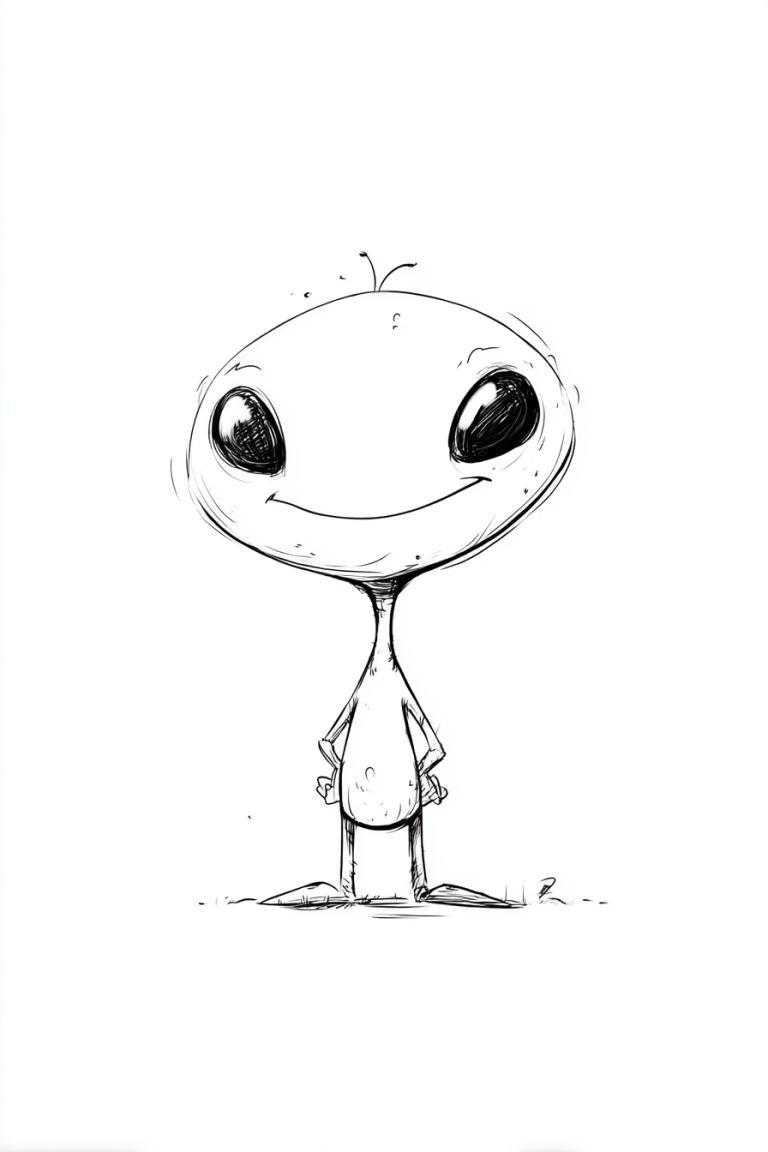
While some may think that drawing faces requires intricate details, minimalist faces prove that simplicity can be just as powerful. By focusing on essential features, you can convey emotions and personalities with just a few lines. Start with basic shapes for the head and add simple curves for eyes, nose, and mouth. Use negative space effectively to create balance and intrigue. Limiting your color palette can enhance the minimalist approach, allowing your work to breathe. Experiment with different expressions and angles—sometimes less truly is more. Embrace the challenge of conveying depth and character through minimalism, and you’ll reveal a new artistic dimension.
Surrealistic Elements

When you plunge into surrealistic elements in face drawing, you’ll find that imagination knows no bounds. You can experiment with distorted features, exaggerated expressions, or unexpected color palettes that challenge reality. Think about combining human traits with organic shapes, like flowers or clouds, to create a dreamlike quality. You might even incorporate whimsical elements like a melting clock or floating objects to evoke curiosity. Play with proportions and perspectives, allowing faces to morph into abstract forms. By embracing the bizarre, you’ll spark intrigue and depth in your artwork, inviting viewers to explore the layers of meaning within each unique creation.
Geometric Patterns

Geometric patterns can transform face drawing into a fascinating exploration of structure and symmetry. By incorporating shapes like triangles, circles, and squares, you can create unique facial features that stand out. Try using angular lines for a bold jawline or circular shapes for softer cheeks. These patterns can also help you establish proportions, making your characters more dynamic. Experiment with overlapping shapes to add depth and interest. Don’t shy away from mixing geometric designs with other styles; it can lead to unexpected and intriguing results. Let your creativity guide you, and watch your characters come alive with these structured elements!
Frequently Asked Questions
How Do I Choose a Color Palette for My Character’s Face?
Start by considering your character’s personality and background. Choose colors that reflect their traits, emotions, and environment. Experiment with different shades to see what resonates, and don’t hesitate to mix and match for unique combinations.
What Materials Are Best for Drawing Realistic Facial Features?
For realistic facial features, you’ll want high-quality pencils, charcoal, or pastels for shading. Use textured paper to enhance depth. Don’t forget blending tools like tortillons or your fingers for smooth shifts and lifelike detail.
How Can I Improve My Face Drawing Skills Quickly?
To improve your face drawing skills quickly, practice regularly, study facial anatomy, use reference images, and experiment with different styles. Don’t be afraid to make mistakes; they’re essential for learning and growth. Keep challenging yourself!
What Common Mistakes Should I Avoid When Drawing Faces?
Avoid overemphasizing details like eyes or mouths, neglecting proportions, and skipping basic shapes. Don’t rush the process; practice observing real faces. Finally, steer clear of stiff expressions—aim for fluidity and emotion in your drawings.
How Do I Create Depth in My Character’s Facial Features?
To create depth in your character’s facial features, use shading techniques, vary line thickness, and incorporate highlights. Pay attention to light sources and angles, as these elements enhance the three-dimensionality of your drawings.